Bellflower: The Handwritten Font with a Friendly, Fun Personality
There’s a certain warmth that comes with handwritten text—something digital typefaces often struggle to capture. Bellflower steps into that space with a sweet, approachable character that feels genuinely human. This isn’t a font trying to be something it’s not; it leans into its playful, casual nature and delivers it with confidence. For anyone working on a project that needs to feel personal, inviting, or a little whimsical, it’s worth taking a closer look at what this display font brings to the table.
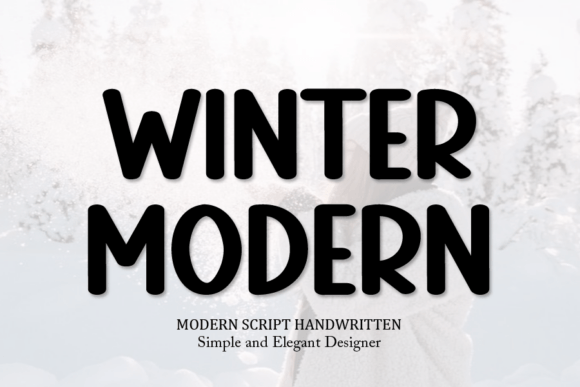
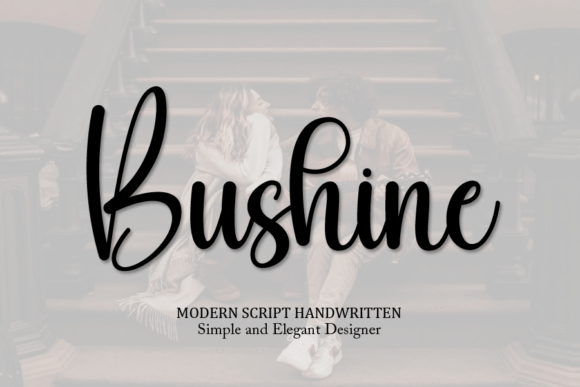
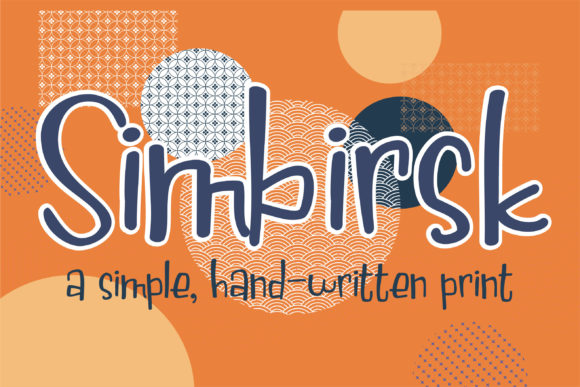
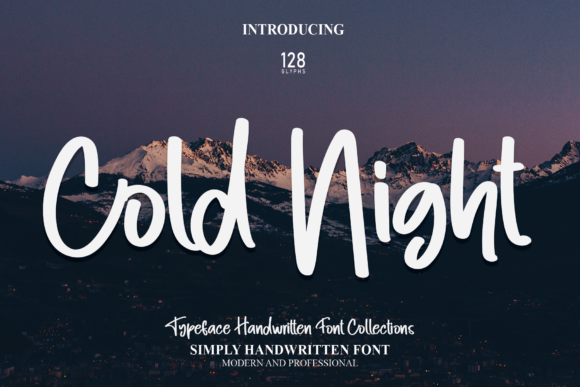
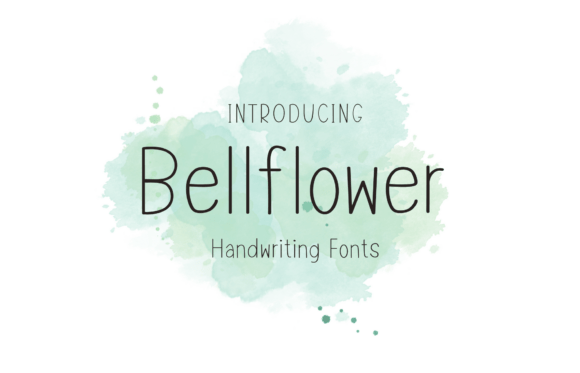
Visually, Bellflower strikes a balance between legibility and personality. Each letterform carries a slight irregularity that mimics natural handwriting, but not so much that it becomes difficult to read at a glance. The strokes are consistent enough to maintain cohesion across words, while subtle variations in letter shapes keep it from looking overly mechanical. It’s the kind of typeface that feels familiar—like something you’d see on a friend’s birthday card or a chalkboard sign at a local café. That relatability is precisely what makes it effective for certain design contexts.
Where This Handwritten Font Truly Shines
Consider a small business owner launching a new line of artisanal products. The packaging needs to communicate care, authenticity, and a personal touch. Bellflower works beautifully here—on labels, tags, or box graphics—because it doesn’t feel corporate or sterile. It whispers rather than shouts, which can be exactly the right tone for handmade goods, boutique brands, or community-focused ventures. Similarly, wedding stationery designers often seek fonts that feel elegant yet approachable. Bellflower’s friendly curves and gentle flow make it a natural fit for invitations, save-the-dates, and thank-you cards without veering into overly formal territory.
Educators and students also find practical value in a typeface like this. Teachers creating classroom materials—worksheets, bulletin board headers, or reading logs—can use Bellflower to make content feel less rigid and more engaging for younger audiences. Students working on presentations or creative projects benefit from its legibility while still adding a personal, artistic flair. It’s a font that adapts to the context rather than demanding attention for itself.
Pairing Bellflower with Other Typefaces
No font works in isolation. One of the most useful skills in design is knowing how to combine typefaces to create visual hierarchy and balance. Because Bellflower is a display font with a strong personality, it pairs best with cleaner, more neutral companions. A simple sans serif for body text, for example, can ground the whimsy of Bellflower in headings or callouts. Think of it like a conversation: Bellflower might deliver the punchline, but the supporting font provides the context.
When testing font pairings, pay attention to scale and weight. Bellflower tends to work best at larger sizes where its handwritten details can breathe. At very small sizes, some of its character might get lost, so reserve it for headlines, logos, or accent text rather than long paragraphs. Contrast is your friend here—pairing it with a geometric sans serif or even a classic serif can create a dynamic yet readable layout. Always test your combinations in context: mock up a social media post, a product label, or a website header to see how the fonts interact in real use.
Practical Applications Across Creative Projects
Let’s talk specifics. If you’re designing a logo for a bakery, a pet grooming service, or a children’s brand, Bellflower’s playful tone can immediately communicate friendliness and approachability. For social media graphics, it can make quotes, announcements, or promotional posts feel more personal and less algorithmic. Bloggers and content creators might use it for featured image text or section headers to break up visual monotony and inject personality into their layouts.
Print materials benefit from its warmth too. Event posters for community gatherings, farmers’ markets, or school functions often need to feel welcoming rather than corporate. Bellflower delivers that without sacrificing clarity. For merchandise—think tote bags, mugs, or t-shirts—its handwritten style can make designs feel custom and artisanal. Even in digital spaces, like online games or comic-style interfaces, its casual energy can enhance user experience by making interactions feel more human and less transactional.
Making Smart Typography Choices for Your Brand
Choosing a font isn’t just about aesthetics—it’s about communication. Every typeface carries associations, and Bellflower’s associations lean toward creativity, warmth, and approachability. If your brand identity aims to feel professional yet personable, this could be a strong candidate. However, if your audience expects sleek minimalism or high-end luxury, it might not align. Typography should always serve the message and the audience, not just the designer’s personal taste.
Before committing to any font for a commercial project, review the licensing terms carefully. Many premium fonts include licenses for specific uses—desktop, web, app, or merchandise—and it’s important to ensure your intended application is covered. Also, check what styles are included. Does the font family offer multiple weights or alternates? Having variations gives you flexibility to create hierarchy and emphasis without introducing another typeface.
Ultimately, the right font feels inevitable in hindsight. It doesn’t distract or confuse; it supports the content and resonates with the viewer. Bellflower is a tool for specific jobs—those moments when you need to bridge the gap between digital precision and human warmth. Used thoughtfully, it can elevate a design from merely functional to genuinely memorable.