Bloody Grave: Unleashing a Fierce Blackletter Typeface
Imagine a typeface that doesn't just sit on the page, but slashes across it. For designers working in the realms of dark fantasy, extreme music, or seasonal horror, finding a font with genuine, visceral impact can be a struggle. Many options feel too soft, too decorative, or lack the raw, aggressive edge needed to make a statement. Enter a typeface built for the shadows, designed to evoke a sense of ancient dread and modern intensity. This is the world of the fierce blackletter, a style that has found new life in contemporary design.
The Anatomy of a Sinister Style
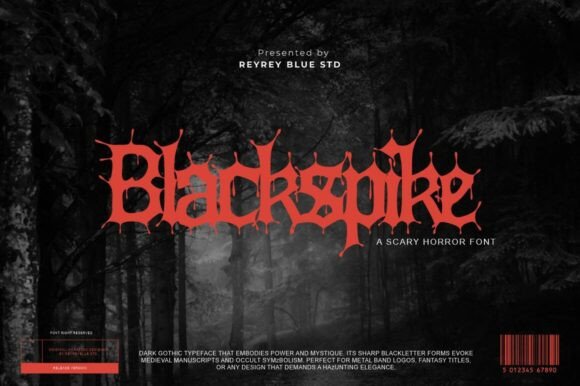
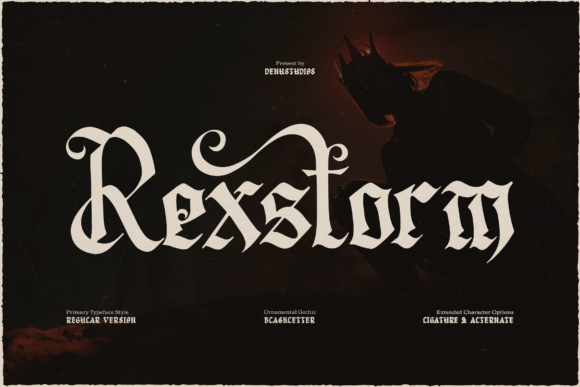
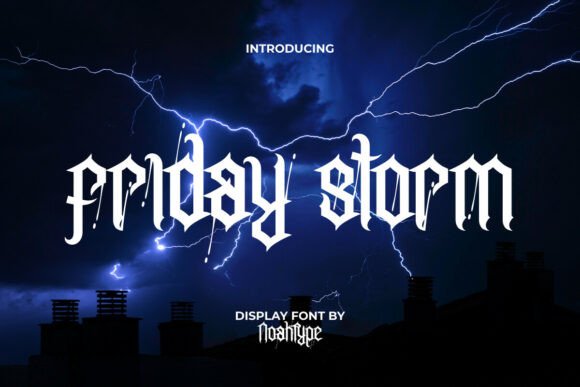
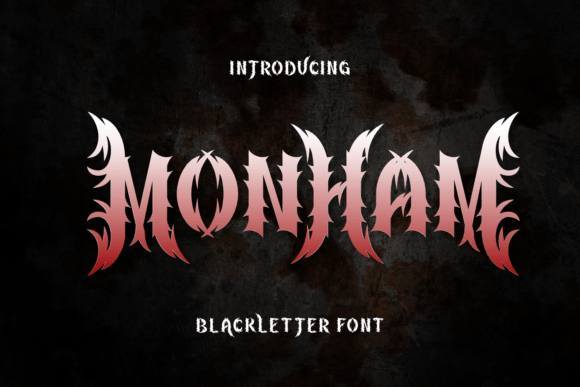
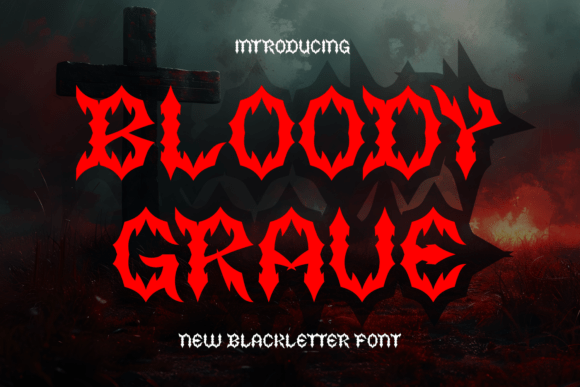
At its core, a blackletter font like this draws from centuries of calligraphic tradition, but twists it into something decidedly more modern and menacing. The defining features are its sharp, jagged edges and a thorny, almost organic structure that feels like it's growing from the page. This isn't the clean, legible blackletter of old manuscripts; it's a display typeface amplified for maximum visual fear factor. The letterforms are often condensed and tall, with high-contrast strokes that create a dramatic silhouette. This particular style avoids excessive ornamentation, relying instead on its aggressive geometry and bold weight to communicate power. It’s a typeface that feels both ancient and brutally contemporary, perfect for projects that need to convey strength, darkness, and a touch of the macabre.
Beyond Halloween: Practical Applications for a Bold Typeface
While its name and style scream haunted house flyers and October promotions, the utility of such a powerful display font extends far beyond seasonal use. For creative professionals and business owners, understanding how to deploy this intensity is key to effective branding and design. Its aggressive personality makes it a standout choice for specific niches where a conventional serif or sans serif font would fall flat.
- Brand Identity & Logo Design: For brands in the metal music scene, horror entertainment, tattoo parlors, or extreme sports, this font becomes the cornerstone of a memorable logo. It instantly communicates the brand's core aesthetic and appeals directly to its target audience. Think album covers, band merchandise, and apparel branding.
- Packaging & Merchandise: Product packaging for craft beers, hot sauces, or specialty items with a "dark" or "extreme" theme can leverage this font for its shelf-stopping power. On merchandise like t-shirts, hats, and posters, it ensures the design is noticed and remembered.
- Digital & Print Collateral: In the digital space, it can be used for impactful website headers, YouTube channel art, or podcast cover art that needs a dramatic hook. For print, it’s ideal for event posters, magazine editorial layouts focusing on alternative culture, or even unique wedding invitations for a gothic-themed ceremony.
- Social Media & Marketing: A single, bold word set in this typeface can anchor a social media graphic, making it instantly shareable and recognizable. It’s a tool for creating visual consistency in marketing assets that demand attention in a crowded feed.
Pairing and Practicality: Using Jagged Fonts Effectively
A font this intense requires a thoughtful approach to be effective. Simply setting a paragraph in a jagged blackletter would be a readability disaster. The key is to use it as a headline or accent font, pairing it with a cleaner, more neutral typeface for body text. This creates a hierarchy that guides the viewer's eye.
Consider pairing it with a simple, geometric sans serif font. The clean lines of a typeface like Helvetica, Futura, or a modern sans serif will provide a visual resting point and ensure your message remains clear. For a different feel, a classic, highly legible serif font like Garamond or a transitional serif can create an interesting contrast between old-world elegance and dark fantasy. Always test your font pairings in the context of your actual project—mock up a poster or a social media post to see how the relationship between the headline and body copy works in practice.
Readability is paramount. Use this display font for short, impactful words or phrases: a band name, an event title, a single provocative word. Never for long sentences or small text. Review the font's included styles; many premium fonts offer alternate characters, ligatures, or stylistic sets that can add unique flair to your design while maintaining its core personality.
Integrating a Premium Font into Your Creative Workflow
Choosing a creative font like this is an investment in your design assets. It’s a commercial font, meaning you need to ensure you have the proper license for your intended use, whether for a client project, merchandise for sale, or a digital product you plan to distribute. A quality typeface from a reputable foundry comes with clear licensing terms, which is a crucial part of professional practice.
From a brand strategy perspective, adopting such a distinct typeface is a powerful move. It builds instant brand recognition for the right audience. When someone sees that jagged, thorny lettering on a poster or a logo, they immediately associate it with a particular aesthetic and set of expectations. This visual consistency across all touchpoints—from your website to your business cards—strengthens your brand identity and communicates professionalism within your niche. It shows you understand the visual language of your industry and are committed to a cohesive presentation.
Ultimately, a typeface is a tool for communication. This particular tool communicates with a shout. It’s not for every project, but for the right one, it delivers unparalleled impact. It’s about matching the typography to the project's goals, ensuring the style supports the message rather than distracting from it. For designers, marketers, and entrepreneurs operating in dark, dramatic, or alternative spaces, having a bold blackletter in your toolkit is not just an option—it’s a strategic asset for capturing attention and defining a powerful visual presence.