Charnoir: Where High Fashion Meets Timeless Serif Typography
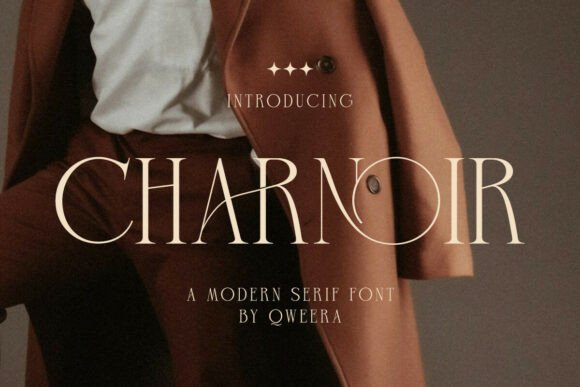
There are typefaces that simply exist, and then there are those that command a room. In the crowded landscape of modern design, finding a serif font that balances dramatic flair with minimalist restraint is rare. Enter Charnoir, a high-class serif typeface that feels less like a collection of letters and more like a carefully curated accessory. It possesses a distinct personality—blending dramatic curves with a minimalist finesse that captures the essence of luxury. If you are a designer, entrepreneur, or creative professional looking to infuse your work with an aura of mystery and sophisticated beauty, understanding how to wield this typeface can fundamentally change the way your audience perceives your brand.
The Visual Language of Luxury
At its core, typography is about voice. When you choose a font like Charnoir, you are selecting a voice that speaks of prestige and refinement. Unlike rigid geometric sans-serifs or overly ornate scripts, Charnoir occupies a unique middle ground. It carries the weight and authority of a traditional serif but strips away the stuffiness, replacing it with modern, graceful lines. The glyphs are meticulously crafted, featuring unique alternates and swashes that allow for immense customization.
For the creative entrepreneur, this visual language is invaluable. Consider the psychology of first impressions. When a potential customer encounters your logo or packaging, they make a judgment about quality within milliseconds. A premium font like Charnoir signals that you value quality and attention to detail. It doesn’t scream for attention; it whispers with boldness, drawing the viewer in to look closer. This makes it an ideal typeface for brands that want to project confidence without appearing arrogant.
Practical Applications: From Editorial to Packaging
The versatility of a strong display font lies in its ability to adapt to different mediums while maintaining its character. Charnoir is not a one-trick pony. Its construction makes it highly adaptable for a variety of creative applications, particularly in the realms of fashion, beauty, and lifestyle.
For editorial design, such as fashion magazines or lookbooks, Charnoir excels as a headline typeface. Its dramatic curves create compelling pull quotes and feature titles that guide the reader’s eye down the page. In the realm of packaging design, particularly for luxury goods like cosmetics, perfumes, or artisanal chocolates, the font’s elegant personality helps justify a premium price point. It looks stunning embossed on paper or foil-stamped on boxes.
Furthermore, the rise of digital branding has made social media graphics a critical touchpoint. A stylish Instagram feed requires consistency, and using Charnoir for your text overlays, story highlights, or pinned posts can create a cohesive, high-end aesthetic. It bridges the gap between digital products and physical goods, ensuring your brand identity remains intact whether the customer is looking at a website or a physical business card.
Streamlining Your Workflow with PUA Encoding
One of the most significant hurdles designers face with decorative fonts is accessibility. Nothing disrupts a creative flow faster than having to hunt through obscure menus to find a specific swash or alternate letter. This is where the technical specifications of Charnoir truly shine. The font is PUA-encoded (Private Use Areas), which means every single glyph, swash, and alternate character is easily accessible.
Whether you are using Adobe Illustrator, Photoshop, InDesign, or even Canva, you can access the full range of stylistic options without hassle. This accessibility is a massive advantage for small business owners who may not be typography experts but still want to create professional-looking designs. It allows for effortless customization—you can swap a standard "R" for one with a dramatic tail to make your logo unique, or add flourishes to the beginning and end of a word for a wedding invitation. This level of control helps elevate your typography game to the next level, ensuring your work looks custom-made rather than template-based.
Mastering Font Pairings and Hierarchy
While Charnoir is a showstopper, good design often involves balance. A page set entirely in a high-contrast display serif can be overwhelming. To maximize readability and professional presentation, consider how you pair Charnoir with other typefaces.
Because Charnoir has such a strong personality, it pairs best with clean, neutral companions. A classic sans-serif font—such as a geometric sans or a clean grotesque—makes for an excellent body text companion. The simplicity of the sans-serif allows the elegance of Charnoir to pop for headings and logos without creating visual chaos. For example, using Charnoir for your main header and a font like Montserrat or Lato for the paragraph text creates a clear visual hierarchy. This improves readability and ensures your audience engages with the content rather than struggling to decipher it.
When testing your pairings, pay attention to weight and spacing. Charnoir’s unique curves need room to breathe. If you crowd it with too many other decorative elements, you lose the minimalist finesse that makes it special. Give the text ample margins and line height to let the letterforms shine.
Aligning Typography with Brand Strategy
Choosing a font is not just an aesthetic decision; it is a strategic one. Your typography is a core component of your brand identity, acting as a silent ambassador for your values. If your brand strategy focuses on femininity, modernity, and sophistication, Charnoir is a natural fit.
Think about the specific niche you are targeting. For a wedding planner or a stationery business, this font brings an immediate sense of romance and style to modern wedding invitations. For a skincare brand, it suggests purity and high-quality ingredients. For a fashion blogger, it lends an air of authority and trend-awareness. By consistently applying this typeface across your marketing assets—from email headers to website banners—you reinforce brand recognition. Over time, your audience will begin to associate that distinct typographic style with your specific brand experience.
Navigating Licensing for Commercial Use
Finally, a practical word on logistics. As a creative professional, it is vital to ensure that your design assets are legally compliant. Charnoir is a commercial font, meaning it requires a license for use in projects that generate revenue. This includes client work, merchandise, and digital products sold online.
Before finalizing a project, always review the licensing terms provided by the font creator. Ensure your license covers the specific usage you need—whether that is for a single client, a number of users within an agency, or for print-on-demand merchandise. Respecting these guidelines not only supports the type designers who create these beautiful tools but also protects your business from potential legal issues down the road.
In the end, Charnoir is more than just a set of letters. It is a tool for storytelling. By leveraging its dramatic curves, accessible alternates, and timeless style, you can craft a visual narrative that resonates with sophistication and leaves a lasting impression on your audience.