Dreamling: A Font That Commands Attention in Modern Design
Finding a typeface that balances futuristic appeal with real-world versatility can feel like searching for a needle in a digital haystack. Many fonts promise boldness but deliver clutter, or aim for modernity but end up looking cold and unreadable. Dreamling, a bold and modern sans serif font, sidesteps these common pitfalls with a cinematic confidence that feels both intentional and adaptable. Its sharp, condensed letterforms aren't just stylistic choices—they're functional tools for anyone building a visual brand that needs to stand out in crowded spaces, from e-commerce storefronts to social media feeds.
The Visual Language of a Futuristic Display Typeface
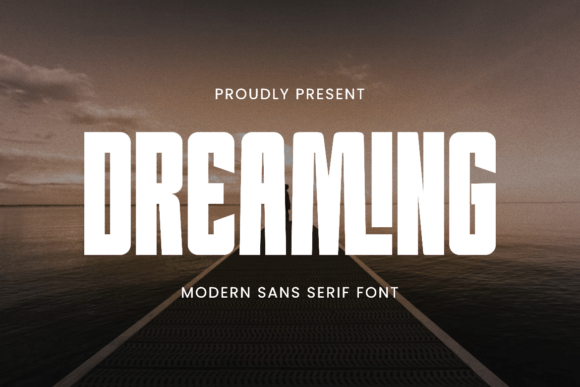
What immediately sets Dreamling apart is its personality. This isn't a neutral workhorse font; it's a display typeface engineered for impact. The condensed structure means you can fit more characters into tight spaces without sacrificing legibility, a practical advantage for logos, headlines, and merchandise designs where space is at a premium. The sharp, geometric edges give it a technical, almost engineered quality—think sci-fi movie titles, tech startup branding, or high-energy sports apparel. Yet, it avoids feeling overly mechanical. There's a subtle humanist touch in the curves and terminals that keeps it from becoming sterile, making it surprisingly effective for creative projects beyond pure technology themes.
Consider its application in brand identity. A small coffee roaster wanting to project a sleek, modern image could use Dreamling for its primary logo, pairing it with a softer, more traditional serif or script font for body text on packaging. This contrast creates visual hierarchy and tells a story: the bold, forward-looking Dreamling speaks to innovation and quality, while the secondary font adds warmth and approachability. Similarly, a fitness brand could leverage its condensed, powerful letterforms for gym logos, motivational posters, and apparel, where every inch of fabric needs to communicate energy and strength.
Practical Applications Across Creative and Commercial Projects
The true test of any premium font is how many hats it can wear. Dreamling's design makes it a surprisingly versatile player in a designer's toolkit. For packaging design, especially for products like tech gadgets, energy drinks, or premium spirits, its bold presence ensures the product name pops on the shelf. In editorial design, it can be used sparingly for chapter titles or pull quotes in magazines or digital publications, adding a contemporary edge without overwhelming the reader.
Digital creators will find it equally useful. It's a natural fit for social media graphics—think Instagram story headers, YouTube video thumbnails, or bold text overlays for promotional posts. Its clarity at smaller sizes (when used for headlines) ensures your message is understood instantly as users scroll. For web designers, it can serve as a striking hero font for landing pages or portfolio sites, immediately establishing a modern, professional tone. Even digital products like online course materials, PDF guides, or presentation templates gain a polished, cohesive look when a font like Dreamling is used for key headings and titles.
Pairing and Readability: Making It Work for Your Audience
A common question with any strong display font is how to pair it without causing visual chaos. The key is to treat Dreamling as the star of the show and let supporting fonts play quieter, complementary roles. Because it's a sans serif font with high contrast, it often pairs beautifully with low-contrast serif fonts or simple, geometric sans serifs for body copy. Avoid pairing it with other highly stylized or decorative fonts; the goal is contrast in role, not competition for attention.
Readability is paramount. Dreamling is optimized for headlines, logos, and short bursts of text. Using it for long paragraphs would likely cause eye strain. Always test your chosen font pairing in context. Mock up a business card, a social media post, or a product label. Does the hierarchy feel intuitive? Can someone unfamiliar with the brand grasp the key information in under three seconds? This practical testing is more valuable than any theoretical rule. Remember, the goal of a creative font like this is to enhance communication, not to be the communication itself.
From Concept to Commerce: Licensing and File Formats
For entrepreneurs and small business owners diving into Print On Demand or launching their own merchandise, understanding the practicalities of a font purchase is crucial. Dreamling comes in the standard OTF and TTF formats, ensuring compatibility with all major design software, from Adobe Creative Suite to free alternatives like Canva and GIMP. The PUA (Private Use Areas) encoding is a significant practical benefit. It means all the alternate glyphs, stylistic sets, and special characters are fully accessible without requiring advanced software knowledge, making it easier to customize your designs and add unique touches.
When investing in a commercial font, always review the licensing terms carefully. Most reputable font licenses cover use across a wide range of projects—logos, websites, printed materials, and merchandise—often with a one-time fee. This is a far more professional and legally sound approach than using free fonts with ambiguous or restrictive licenses for commercial work. Think of a quality font like Dreamling not as an expense, but as a foundational design asset that contributes directly to your brand's perceived value and professionalism. It's an investment in the visual consistency that builds recognition and trust with your audience over time.