Unleash the Terror: Mastering the Ivorm Horror Font
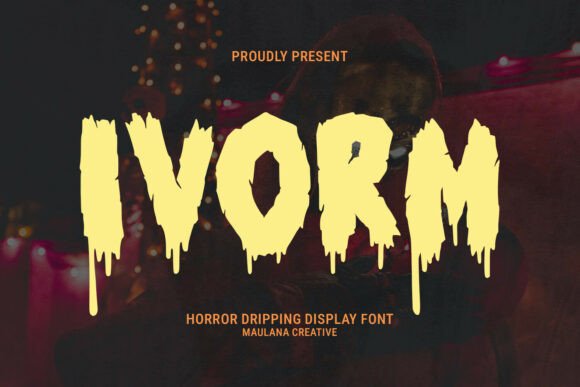
There is a specific kind of silence that falls over an audience when they see a title that looks genuinely dangerous. It isn't just about reading the words; it is about feeling the texture of the message before processing the semantics. If you have ever wanted to evoke that visceral, gut-wrenching reaction in your viewers, you need more than just a standard typeface; you need a visual weapon. Enter Ivorm, a bold horror display font that doesn't just sit on the page—it oozes, melts, and bleeds across your design canvas. For designers, event planners, and creative entrepreneurs looking to make a lasting, chilling impression, understanding how to harness the power of this dripping display font is the key to unlocking truly terrifying aesthetics.
More Than Just Dripping Letters
At first glance, Ivorm is defined by its heavy, blocky structure and the signature melting details that hang from the baseline. It captures the essence of gore, slime, and decay, making it look as though the letters are alive and decomposing in real-time. However, to view Ivorm merely as a "spooky font" would be to underestimate its utility in modern typography. While it is undeniably a premium font for horror themes, its visual weight and distinct silhouette make it a powerful tool for specific branding goals where impact is the primary objective.
The visual appeal of Ivorm lies in its ability to command attention immediately. In a crowded marketplace of design assets, a standard sans serif font often fades into the background. Ivorm, conversely, forces the viewer to stop scrolling. The thick strokes ensure legibility even at a distance, which is crucial for physical applications like posters or merchandise. The "drip" effect adds a layer of texture that standard clean fonts lack, providing instant atmosphere without the need for complex illustration or overlay effects. It bridges the gap between typography and illustration, serving as a focal point for your entire visual composition.
Strategic Applications for Maximum Impact
Knowing that a font looks cool is one thing; knowing how to use it effectively in a professional context is another. The practical applications for a typeface like Ivorm extend far beyond Halloween party invitations, though it certainly excels there. For creative entrepreneurs and small business owners, this typeface offers a unique opportunity to carve out a distinct brand identity in niche markets.
Consider the world of packaging design. If you are launching a line of hot sauces, craft beers with edgy names, or even gothic-themed cosmetics, Ivorm can serve as the anchor for your logo design. The dripping effect suggests intensity and flavor, playing on sensory expectations before the customer even tastes the product. Similarly, in editorial design, such as magazine covers for alternative music or horror fiction anthologies, the font sets the tone for the content inside. It promises the reader a journey into the dark and macabre.
For digital creators and gamers, the font is equally potent. It is a staple for game logos, particularly in the survival horror or dark fantasy genres. It translates exceptionally well to social media graphics—imagine a YouTube thumbnail or a Twitch stream overlay using Ivorm. The high-contrast nature of the font cuts through the noise of a busy feed, driving higher click-through rates and audience engagement. Even for limited-run merchandise, such as T-shirts or enamel pins, the typeface acts as a standalone graphic element, reducing the need for additional artwork while maximizing visual impact.
Mastering Font Pairings and Readability
One of the most common pitfalls when working with a heavy, stylized display font is overuse. Ivorm is a powerhouse, but like a strong spice, it must be used with intention. Using a dripping horror font for body text is a recipe for disaster; the melting details will create visual noise that makes long-form reading impossible and frustrating for the user.
The secret to professional presentation with a font like Ivorm is contrast. You need a supporting cast that allows the star to shine without overwhelming the scene. For body copy, pair Ivorm with a clean, neutral sans serif font or a highly legible serif font. A sans serif with a tall x-height and open apertures works best, as it provides a modern, clean backdrop that contrasts sharply with the organic, chaotic nature of the dripping letters.
When testing your font pairings, pay close attention to hierarchy. Ivorm should be reserved for H1 headers, logos, or pull quotes. The weight of the font is heavy, so it naturally anchors the top of a page or the center of a poster. Ensure there is ample "breathing room" (white space) around the text. Because the font has vertical drops, you need to increase your line height if you are using it for multi-line titles to prevent the drips from crashing into the text below.
Choosing the Right Style for Your Project
When you acquire a premium font like Ivorm, you are often investing in more than just a single file. High-quality creative fonts usually come with a suite of variations and extras designed to enhance your workflow. Before you begin your design process, take a moment to review what is included in the font family. Does it come with a "clean" version that has fewer drips for slightly more conservative uses? Are there alternate characters or ligatures that allow you to customize the look of specific letters?
Understanding these nuances allows you to tailor the typeface to the specific needs of your brand identity. For example, if you are designing a logo, you might want to use the alternate swash letters to create a more unique lockup. If you are creating a flyer, you might want the standard heavy version for maximum shock value. Reviewing the full character map ensures you are getting the most value out of your design assets and helps maintain visual consistency across different platforms.
Licensing and Commercial Considerations
For designers, agencies, and business owners, the aesthetic appeal of a font must be balanced with practical business considerations. Before incorporating Ivorm into a client’s brand identity or your own product line, it is essential to understand the licensing terms. Fonts are software, and like any software, they come with usage rights.
Most premium fonts come with a desktop license for print and static images, but if you plan to use the font on a high-traffic website, in a mobile app, or embedded in digital products for sale, you may need a specific web or digital license. Always verify that your license covers the intended use case—whether it is for merchandise, digital products, or marketing assets. Respecting these boundaries not only protects you legally but supports the type designers who create these intricate works of art. It ensures that the ecosystem of high-quality, creative typography continues to thrive.
Ultimately, Ivorm is more than just a collection of scary shapes; it is a communication tool designed to evoke a specific, intense emotional response. Whether you are crafting the identity for a new horror game, designing a flyer for a haunted attraction, or creating a bold header for a dark-themed blog, this typeface provides the visual shorthand for fear and excitement. By pairing it wisely and using it with intention, you can transform a standard project into a terrifyingly memorable experience.