Waltercolor: A Modern Sans Serif for Standout Visuals
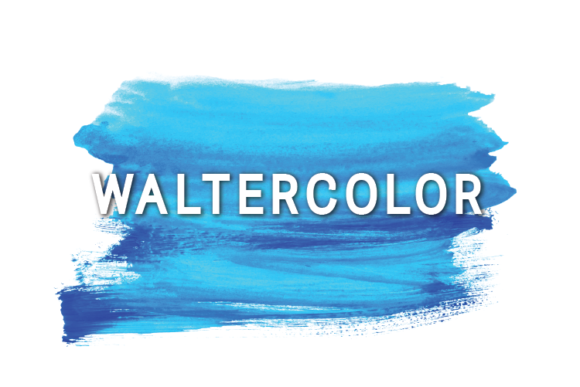
Have you ever scrolled through a brand’s Instagram feed or visited a website and instantly felt a sense of cohesion and professionalism? That feeling often comes down to a thoughtful, consistent visual language, and at the heart of that language is typography. A typeface does more than just display words; it sets a mood, communicates a brand’s personality, and guides the viewer’s experience. If you’re searching for a typeface that balances contemporary elegance with versatile functionality, Waltercolor is a premium font designed to meet that exact need. It’s a modern, classy sans serif font built for creators who value clean lines and sophisticated impact.
More Than Just Letters: The Personality of a Typeface
Think of a typeface as the voice of your design. A whimsical script font might whisper of romance, while a bold, geometric sans serif shouts with confidence. Waltercolor speaks in a voice that is both authoritative and approachable. Its character stems from careful design choices: balanced proportions that feel stable, subtle details that add interest without distraction, and a rhythm that makes paragraphs easy to read. This isn’t a cold, robotic font; it’s a modern typography workhorse with enough warmth to feel human. Its strength lies in its ability to be the reliable foundation for a brand identity or the striking headline of a poster, adapting its tone to the context without losing its core identity.
From Screen to Print: Where Waltercolor Truly Shines
The true test of a creative font is its performance across different media. Waltercolor is engineered for this cross-platform reality. For logo design, its clarity ensures your mark remains recognizable whether it’s embroidered on a shirt or shrunk to a website favicon. In editorial design, such as a magazine layout or a book cover, it provides a clean, contemporary canvas that lets imagery and content take center stage. Its structured form makes it a superb choice for packaging design, where legibility on a crowded shelf is paramount.
Digital applications are where this sans serif font truly excels. It’s a fantastic asset for social media graphics, helping you maintain a consistent look across Instagram stories, YouTube thumbnails, and Facebook ads. For web design, it translates beautifully to screen, ensuring your website’s headers, buttons, and body text are both stylish and highly readable. Content creators will find it invaluable for digital products like e-books, worksheets, and online course materials, lending a professional polish that builds trust with your audience.
Building a Cohesive Brand with Strategic Typography
Choosing a font like Waltercolor isn’t just an aesthetic decision; it’s a strategic one for brand recognition. When you use a consistent typeface across all your touchpoints—from your business card and invoice template to your email newsletter and product tags—you create a visual thread that ties everything together. This consistency makes your brand appear more organized, trustworthy, and memorable. Waltercolor’s versatile styles (from light to bold, condensed to extended) allow you to create a clear typographic hierarchy for your brand. Use the bold weight for powerful headlines in your marketing assets, the regular weight for clear body text on your website, and perhaps a condensed style for tight spaces in apparel tags or comic strips.
This principle extends to your entire visual ecosystem. A freelance designer can use Waltercolor to create a unified look for a client’s corporate identity. A small business owner can apply it to their merchandise and invitations for a cohesive customer experience. Even hobbyists creating a family newsletter or a personal blog can benefit from the professional presentation a well-chosen, high-quality font provides.
Practical Tips for Integrating Waltercolor into Your Workflow
Getting the most out of a new font involves a bit of exploration and testing. Before you commit, here are a few practical steps:
- Explore the Font Family: Don’t just settle for the regular weight. A strong commercial font like Waltercolor often includes multiple styles—bold, italic, light, and maybe even condensed or rounded variants. Using different weights from the same family is one of the easiest ways to create visual interest and hierarchy while maintaining perfect harmony.
- Test for Readability: Always test your chosen font at the size it will be used. A beautiful display weight that works for a headline font might become illegible in small paragraph text. Check how Waltercolor renders on both a high-resolution screen and in print proof. Its design prioritizes clarity, but a quick test is always smart.
- Master Font Pairing: Waltercolor plays well with others. For a classic, authoritative look, pair it with a refined serif font for body text. For a more dynamic, contemporary vibe, contrast it with a elegant handwritten font or a structured display font for accents. The key is contrast in style, not necessarily in weight.
- Understand Your License: If you’re using Waltercolor for client work or commercial products, ensure you have the correct commercial font license. Most premium fonts have clear licensing terms that cover things like the number of users, permitted uses (like in apps or on merchandise), and whether you can modify the font files. This is a crucial step to avoid legal headaches down the road.
Ultimately, the best way to see if a typeface is right for your project is to use it. Import Waltercolor into your design software, set some headlines for your next blog post, mock up a business card, or create a sample social media post. Pay attention to how it feels—does it communicate the right message? Does it make your content easier and more enjoyable to consume? In a world saturated with visual noise, a thoughtfully chosen, versatile design asset like Waltercolor can be the difference between blending in and standing out with class and clarity.