Cebur: The Typeface That Commands Attention
There are moments in design when subtlety fails. When a project needs more than just words—it needs a declaration. You're crafting a horror movie poster, a band logo for a metal group, or branding for a streetwear line, and the elegant script or clean sans serif you've been using just whispers when you need it to roar. This is the gap Cebur was built to fill. It's not merely a font; it's a visual weapon, a premium display typeface that channels raw, untamed energy into every character.
A Visual Language of Rebellion
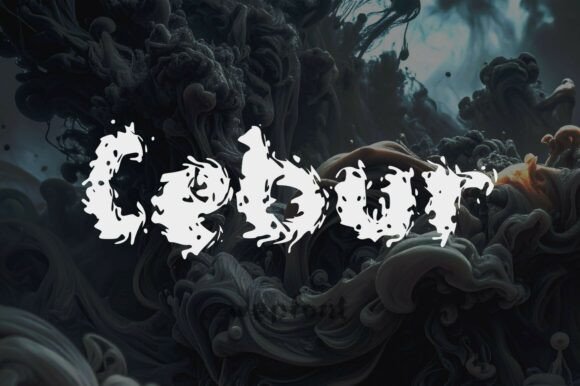
Cebur’s design philosophy is built on controlled chaos. Each letterform feels chiseled and ragged, as if forged from broken glass and rugged metal. The texture isn't just decorative; it tells a story of audacity and risk. Unlike a standard serif or sans serif font, Cebur’s edges are intentionally imperfect, creating a spiky, decayed aesthetic that immediately sets it apart. This isn't the typography for a quiet bakery logo—it's the typeface for projects that aim to shatter norms and leave a visceral, unforgettable impression.
For a brand identity, this intensity translates into immediate recognition. Imagine a dystopian video game title rendered in Cebur; the font itself becomes part of the world-building, suggesting a gritty, post-apocalyptic reality. For a hard-hitting band, the logotype in Cebur doesn't just display the name—it embodies the music's chaotic energy. This level of stylistic commitment is what separates memorable design from the forgettable.
Where Unbridled Intensity Finds a Home
The true power of a creative font like Cebur is realized in its application. Its assertive character makes it a standout choice for specific projects where impact is non-negotiable.
- Branding & Logo Design: Perfect for businesses that position themselves as disruptive, edgy, or alternative. Think craft breweries with a rebellious streak, extreme sports brands, or independent record labels. Cebur creates a logo that is instantly recognizable and loaded with attitude.
- Packaging & Merchandise: On a shelf crowded with minimalist designs, Cebur commands the spotlight. It’s ideal for product packaging that needs to convey strength or novelty—like a hot sauce with a dangerous name or limited-edition apparel. The font's texture translates powerfully to screen-printed t-shirts, hats, and posters.
- Event Collateral & Posters: From music festival promotions to horror film one-sheets, Cebur sets the tone instantly. It guarantees your event poster or digital invite won't be scrolled past—it will be stared at.
- Digital Presence: Used strategically on websites, social media graphics, and video thumbnails, Cebur can dramatically boost audience engagement. A bold headline on a landing page or a striking quote graphic on Instagram using this typeface stops the scroll and makes a statement.
The key is context. Cebur shines in display roles—headlines, logos, titles—where its intricate details can be appreciated. Using it for long paragraphs of body text would sacrifice readability, which is why understanding font pairing is crucial.
Mastering the Mix: Pairing for Purpose
A potent display font needs a supporting cast to be effective. Pairing Cebur with a more neutral typeface is essential for creating a balanced, professional presentation. The goal is to let Cebur handle the dramatic headlines while a cleaner font ensures the core message remains accessible.
Consider these combinations for your design assets:
- Cebur + A Clean Sans Serif: This is a classic, high-contrast pairing. Use Cebur for the main title, and a font like Montserrat or Open Sans for subheadings and body copy. The sans serif provides calm, readable counterpoint to Cebur's intensity.
- Cebur + A Simple Serif: For a slightly more editorial or classic feel with an edge, pair it with a timeless serif like Lora or Merriweather. This works well for magazine layouts or book covers in the thriller or horror genre.
- Cebur + A Monospaced Font: For a tech-forward, dystopian vibe, combine it with a monospaced typeface like Courier or IBM Plex Mono. This pairing feels gritty and technical, perfect for video game interfaces or cybersecurity branding.
Always test your pairings in context. View them at the intended size, on different devices, and in the final color palette. Readability is paramount—even the most audacious design fails if the audience can't understand the message.
Beyond the Glyph: Practical Considerations
Before integrating a new display font into your workflow, a few practical checks are necessary. First, review the font's full character set. Does it include the numbers, punctuation, and special characters you need? Cebur, as a premium font, typically offers extensive language support and stylistic alternatives, giving you flexibility in your creative projects.
Second, understand the licensing. A commercial font license is required for any project intended for business use, from a client's logo to merchandise you sell. Ensure the license covers your intended applications, whether it's for print, digital, or both. This is a critical step in professional design to avoid legal issues down the line.
Finally, consider the emotional resonance. Typography is a silent ambassador for your brand. Cebur communicates strength, rebellion, and raw energy. Does that align with your brand's core values and your audience's expectations? When the font's personality matches the project's goals, you create a cohesive and powerful visual identity that truly resonates.
In the end, choosing a typeface like Cebur is a strategic decision. It's for those moments when you need your visuals to do more than just present information—to make a mark, break barriers, and leave an impression that lingers long after the first glance. It’s the statement-making tool for when your narrative demands to be heard as a roar, not a whisper.