Grand Master: Unlocking Vintage Charm for Modern Brands
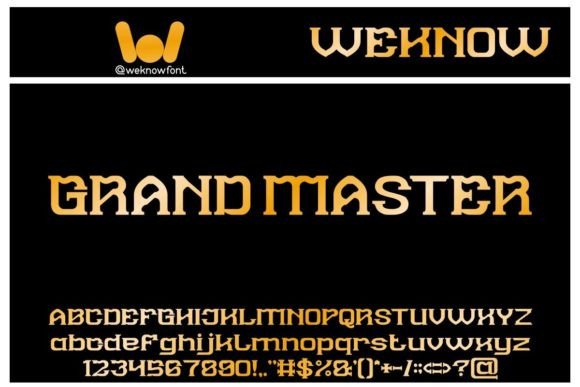
There is a certain gravity to a design that whispers of history, a visual weight that commands attention not through volume, but through substance. For designers, brand strategists, and creative entrepreneurs, finding a typeface that bridges the gap between nostalgic elegance and contemporary utility is often the missing piece in a visual puzzle. This is where the concept of a "Grand Master" enters the conversation—not just as a descriptor of skill, but as a specific aesthetic choice. We are talking about a sublime slab serif vintage art font, one steeped in antiquated charm that offers more than just letters on a screen; it offers a narrative.
When you dive into a bygone era with a typeface like this, you are essentially importing history into your modern workflow. The decorative gala of such a fancy display font is not merely ornamental; it is functional. It serves as an ideal pick for crafting distinctive logos and striking logotypes that need to stand out in a saturated market. Whether you are looking to revamp a corporate image or underscore a specific brand essence with an array of nostalgic hues, understanding how to wield a typeface with such inherent versatility is a critical skill. It fits like a glove in industries ranging from fashion to food, echoing style in every thread of your design.
The Anatomy of Antiquated Charm
What makes a slab serif "vintage art" so compelling? It comes down to the construction of the letterforms. Unlike the clean, geometric lines of a modern sans serif font, a display font like Grand Master relies on high contrast and decorative serifs. These are not the quiet, bracketed serifs of a body text typeface like Times New Roman; these are bold, unapologetic strokes that frame the character. This style is deeply rooted in the wood type posters of the 19th century, a time when typography was designed to be seen from a distance.
For the modern brand strategist, this visual language translates to immediate recognition. When a customer sees a logo rendered in a premium font with this level of detail, they perceive the brand as established and confident. It adds an extra dimension to posters, resonating throughout music, movie, and game projects where the atmosphere is just as important as the content. If you are designing a poster for a jazz festival or a cover for a mystery novel, the font does half the heavy lifting before the viewer even reads the word.
Practical Applications: From Logos to Packaging
The true test of any design asset is its adaptability across different mediums. A typeface that looks great on a website header but falls apart on a business card is a liability. However, a well-crafted display typeface is engineered for versatility.
Branding and Logo Design
For small business owners, the logo is the handshake of the brand. Using a creative font like Grand Master allows you to create a monogram or wordmark that feels bespoke. It is particularly effective for brands that want to convey heritage, craftsmanship, or luxury. Think of a distillery, a high-end barber shop, or a bespoke tailor. The thick strokes and unique curves of the font ensure that the logo remains legible even when scaled down for a favicon or a social media profile picture.
Packaging and Merchandise
In the world of packaging design, shelf appeal is everything. A premium font can elevate a simple label into a collectible item. Consider how this style works on coffee bags, craft beer labels, or artisanal soap wrappers. The vintage aesthetic suggests that the product inside is made with care and tradition. Furthermore, this translates beautifully to merchandise. When gracing a t-shirt or a tote bag, the decorative nature of the font turns typography into graphic art.
Editorial and Print Materials
While you might not use a heavy display font for the body text of a magazine, it is invaluable for editorial design. It can be used to create charismatic pull quotes, striking chapter headings in books, or the masthead of a publication. It injects personality into what might otherwise be a standard layout. For invitations—be it for a wedding, a gala, or a product launch—this typeface sets the tone immediately, telling the guest that this is an event of significance.
Digital Presence and Social Media Strategy
In the realm of web design and social media graphics, standing out is a constant battle. The digital landscape is often dominated by the same five or six sans serif fonts. Introducing a slab serif with vintage art qualities can disrupt the scroll and capture attention.
Website Headers and Hero Sections
On a website, a font like Grand Master should be used strategically. It is perfect for "Hero" sections—the large banner area at the top of a homepage. Because of its high visual impact, it draws the eye immediately. It works best for short, punchy headlines. For example, a landing page for a marketing agency could use this font to declare "Bold Strategies," immediately establishing a tone of authority and creativity.
Social Media Engagement
On platforms like YouTube or Instagram, visual consistency is key to brand recognition. Using a consistent typeface for your thumbnails, story highlights, and quote cards creates a cohesive feed. The "Grand Master" style is excellent for YouTube thumbnails because it remains readable even at very small sizes due to its bold weight. It resonates well in the music and gaming niches, where a stylized, almost cinematic look is preferred. It allows content creators to engage in a visual conversation with their audience, making their content feel more produced and professional.
Font Pairing: Finding the Perfect Balance
One of the most common mistakes in typography is trying to pair two "loud" fonts together. A fancy display font like Grand Master is a dominant presence; it wants to be the star of the show. Therefore, it requires a supporting actor that knows when to step back.
The Classic Companion: Sans Serif
The safest and often most effective pairing for a vintage slab serif is a clean, geometric sans serif font. The lack of ornamentation in the sans serif provides a neutral backdrop that allows the details of the display font to shine. Think of pairing Grand Master with something like Montserrat, Helvetica, or Open Sans. The contrast between the decorative headers and the clean body text creates a visual hierarchy that guides the reader’s eye naturally down the page.
The Organic Partner: Handwritten or Script
If the goal is to create a warm, personal, or artisanal vibe, pairing the slab serif with a handwritten font or a script font can be effective. However, this requires more care. The script font should be legible and not too scratchy. This combination works well for wedding invitations, boutique product labels, and lifestyle blogs. The Grand Master font provides the structure, while the script font adds a human touch.
Technical Considerations and Readability
While the aesthetic appeal is paramount, practical application requires a nod to technicalities. As a designer or business owner, you must ensure that your typography works for your audience, not just for your portfolio.
Readability vs. Legibility
It is important to distinguish between legibility (identifying individual letters) and readability (the ease of reading text blocks). Display fonts are designed for high legibility at large sizes. However, setting a paragraph of body copy in Grand Master would likely result in poor readability. The decorative elements that make it beautiful at 72pt can become visual noise at 12pt. Always use this font for headlines, sub-headers, and call-outs. Keep your body copy in a standard serif or sans serif font.
Licensing and Commercial Use
Before integrating any premium font into a commercial project, always review the licensing. Most commercial fonts come with specific terms regarding how many computers can install the font and whether it can be embedded in apps or digital products. Ensure your license covers your intended use, whether it’s for a single logo design or a mass-produced merchandise line.
Injecting Humor and Personality
Typography is an emotional language. While some fonts feel corporate and sterile, a vintage art font is often associated with storytelling. This makes it an excellent choice for projects that require a bit of personality or humor.
Consider the comic book industry or cartoon animations. The bold, punchy nature of a slab serif is perfect for sound effects (POW, BAM) or title cards. It adds a layer of retro fun that connects with audiences on a nostalgic level. For bloggers and content creators, using this font for section headers can break up the monotony of long-form text and inject a bit of charisma into the reading experience. It signals to the reader that the writer has a distinct voice and cares about the presentation of their ideas.
Ultimately, choosing a font like Grand Master is about making a deliberate choice to stand out. It is about rejecting the bland uniformity of default system fonts and embracing a design asset that carries weight, history, and style. Whether you are designing a movie poster, a brand identity for a new startup, or simply curating your Instagram aesthetic, this typeface offers a bridge to a bygone era, repurposed for the modern creative toolkit. It is a testament to the idea that good design is timeless, and with the right typography, your projects can be too.