Handmade: A Bold Typeface for Impactful Sport-Inspired Design
You know the feeling when a design just hits differently? It has that raw, confident energy that makes you stop scrolling, sit up, and pay attention. That's the kind of power a typeface can wield when it's crafted with intent. If you're working on a project that demands a bold, vibrant, and athletic spirit, finding the right typography isn't just a detail—it's the foundation of your entire visual message. This is where a display font with serious character steps into the game.
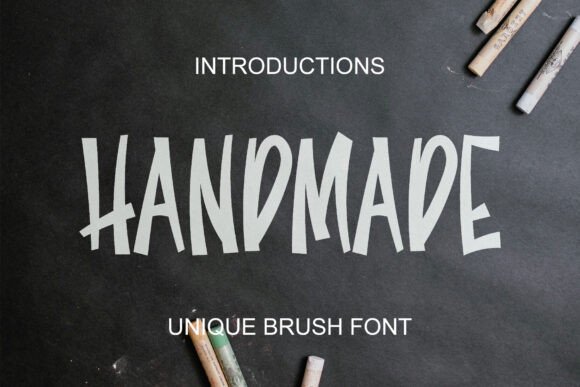
Imagine a typeface built for the sidelines of a championship, the title card of an action-packed trailer, or the logo of a fitness brand that means business. It needs to feel robust, dynamic, and unapologetically confident. This is the essence of the Handmade font. It's not just another set of letters; it's a design asset engineered to inject a powerful, sport-inspired vibe into your work. Let's explore how this kind of bold typography can transform your creative projects from standard to standout.
The Athletic Aesthetic: More Than Just a Look
What makes a font feel "sporty"? It's a combination of visual traits that evoke motion, strength, and teamwork. Think of the sharp angles in a racing stripe, the bold block letters on a vintage varsity jacket, or the confident lines of a stadium scoreboard. A font like Handmade captures this energy through its design. It typically features strong, sturdy letterforms, high contrast, and a presence that commands space on the page or screen.
This isn't about subtle serifs or delicate scripts. This is a premium font that acts as a headline act. Its visual weight makes it perfect for applications where you need to grab attention instantly. Consider these scenarios where its personality shines:
- Team Branding & Identity: Creating a logo for a local sports club, an e-sports team, or a fitness studio. The font's robust nature conveys stability and power, essential for building a brand identity that athletes and fans can rally behind.
- Event Promotion: Designing posters for a marathon, a charity sports event, or a tournament. The bold letters ensure the event name and key details are visible from a distance, driving engagement and sign-ups.
- Merchandise & Apparel: Designing t-shirts, jerseys, or hats. A strong display font translates exceptionally well to screen printing and embroidery, maintaining its impact on physical products.
The key is understanding that this typeface is a tool for creating a specific mood. It tells your audience, "This is energetic, this is competitive, this is about action." Using it for a bakery's logo would be a mismatch, but for a personal trainer's website or a sports documentary title sequence, it's a perfect fit.
From Digital Screens to Physical Goods: Practical Applications
The true test of any creative font is its versatility across different mediums. A typeface that only works on a website is limiting. One that can flow seamlessly from a social media graphic to a printed banner offers real value. Let's break down where a bold, sport-inspired font proves its worth.
Commanding Attention in Digital Spaces
On the web and social media, you have mere seconds to make an impression. Using Handmade for your web design headlines or social media graphics creates an immediate focal point. It can be the hero text in a YouTube thumbnail, the title on a podcast cover, or the call-to-action on a landing page. Its boldness cuts through the digital noise, making your content more shareable and memorable. For blog headers, it can set a powerful tone for articles about fitness, competition, or outdoor adventures.
Making a Tangible Impact in Print
Typography truly comes alive in print. This is where the texture and weight of a font can be felt. Handmade excels in packaging design for sports nutrition products, energy drinks, or outdoor gear. On editorial layouts for a magazine feature about athletes or adventurers, it can frame the story with power. For print materials like flyers, brochures, or invitations to a sports-themed gala, it ensures the message is delivered with impact. Even book covers for biographies of sports legends or action-packed fiction can benefit from its authoritative presence.
Building Cohesive Brand Assets
Consistency is the bedrock of strong branding. When you select a font family like Handmade, you're not just choosing one style; you're often investing in a set of weights and styles. This allows you to create a font pairing system. You might use the boldest weight for main headlines, a medium weight for subheadings, and pair it with a clean sans serif font for body text to ensure readability. This creates a visual consistency across all your marketing assets, from your website to your email newsletters to your logo design. This systematic approach strengthens brand recognition over time.
Pairing with Purpose: Creating Harmonious Typography
A powerful display font is a star player, but even stars need a supporting team. The most common mistake with bold typefaces is using them for everything, which leads to visual clutter and poor readability. The art of font pairing is about creating balance and hierarchy.
Think of it like assembling an outfit. Handmade is your statement jacket. You wouldn't wear a statement jacket with equally loud pants, shirt, and shoes. You'd pair it with simpler, complementary pieces. In typography terms:
- The Anchor (Body Text): For paragraphs, descriptions, and longer text blocks, you need a workhorse font. A neutral sans serif or a highly legible serif font is ideal. Its job is to be clear and easy to read, allowing the bold display font to shine without competition. Think of fonts like Open Sans, Roboto, or Lora.
- The Hierarchy (Subheadings & Callouts): You can use a lighter weight of Handmade for subheadings to maintain the brand feel without overwhelming the layout. Alternatively, you might use a complementary script font or a handwritten font for a touch of personality in quotes or callouts, provided it aligns with the overall sporty theme.
The goal is a clear visual path for the viewer's eye. The bold headline (Handmade) draws them in, the subheading (perhaps a lighter weight) guides them, and the body text (a neutral font) delivers the information. This structure improves both readability and professional presentation.
Making the Final Call: Licensing and Lasting Impressions
Before you commit to any commercial font, there are two practical steps. First, always test it. Type out the specific words and phrases you'll use for your project. Check the spacing, the kerning (the space between individual letters), and how it looks in both uppercase and lowercase. Does the word "Strength" look as powerful as "Teamwork"? Does it remain legible at smaller sizes for subheadings?
Second, understand the license. A font is a piece of software, and its license dictates how you can use it. A standard license might cover use on your website and social media, but if you plan to use it on merchandise for sale (like t-shirts or mugs), you may need an extended or commercial license. Reputable font foundries make this clear. Purchasing the correct license protects you legally and supports the designers who create these valuable design assets.
Ultimately, choosing a typeface like Handmade is a strategic decision. It’s about aligning your visual language with your project's core message. For ventures that thrive on energy, competition, and bold expression, it provides a reliable and powerful tool. It doesn't just spell out words; it amplifies your story, ensuring your next project doesn't just get seen—it gets remembered.