Harmfully: The Bold Typeface for Unforgettable Visuals
In a crowded marketplace, blending in is the fastest route to being ignored. Whether you're launching a new fitness brand, designing a movie poster, or crafting the look for an esports team, you need typography that doesn't just sit there—it demands attention. That’s where a display font like Harmfully steps in. It’s not a quiet, background player; it’s a powerhouse typeface engineered to inject energy and authority into any design. If your project needs to feel dynamic, competitive, and unapologetically bold, understanding how to wield a font like this can be a game-changer for your visual communication.
More Than Just Bold Letters: Capturing a Vibe
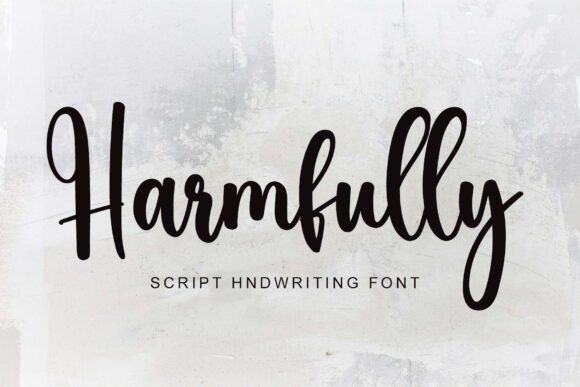
Harmfully is a premium font that understands the psychology of impact. Its design is robust, with strong, confident letterforms that convey power and immediacy. This isn't a delicate serif font or a playful script; it's a modern typeface built for high-stakes environments. Think of the branding for major sporting events, the title treatment of an action film, or the headline on a magazine cover about extreme sports. The visual weight of Harmfully creates a sense of urgency and importance, making it ideal for any project that needs to make a statement instantly.
Its appeal lies in its versatility within that bold category. While it excels in sports-inspired designs, its vibrant touch translates well to various creative applications. For a small business owner, this means a single font can unify the look of your website headers, your product packaging, and your social media ads, creating a cohesive and professional brand identity without needing a dozen different typefaces.
Where a Font Like Harmfully Truly Shines
Knowing a font is "bold" is one thing; knowing exactly where to apply it is another. The practical uses of a display typeface are where its value is truly realized. Let's move beyond theory and into the projects where Harmfully can do the heavy lifting.
- Brand Identity & Logo Design: A logo must be recognizable at a glance. The distinct, powerful character of Harmfully makes it a strong candidate for logotypes, especially for brands in athletics, entertainment, or outdoor adventure. It helps a startup look established and confident from day one.
- Packaging Design: On a shelf or in a product photo, you have seconds to grab a customer's eye. Using Harmfully for product names or key features on packaging—like on a protein powder container or a new energy drink—immediately communicates strength and vitality.
- Marketing & Social Media: In the endless scroll of a feed, static content often gets lost. A striking headline set in Harmfully can stop the scroll. It’s perfect for Instagram carousals, Facebook ad graphics, YouTube thumbnails, and any digital asset where you need to make an immediate impact.
- Editorial & Print Layouts: Think of a magazine spread for a fitness model or a movie poster. Harmfully works brilliantly for headlines, titles, and pull quotes that need to dominate the page. It guides the reader's eye to the most important information first.
- Merchandise & Apparel: This is a natural fit. T-shirts, hoodies, and hats for sports teams, gyms, or esports organizations benefit immensely from a typeface that feels athletic and modern. Harmfully can turn a simple graphic tee into a statement piece.
- Digital Products & Web Design: While body text requires a highly readable sans serif font, your website's hero section, call-to-action buttons, and chapter titles for an ebook can all leverage Harmfully's display strength to enhance user engagement and create visual hierarchy.
Integrating a Powerhouse Font Into Your Workflow
Adopting a new typeface, especially one with as much personality as Harmfully, requires a thoughtful approach. It’s not about replacing your entire toolkit, but about knowing when to deploy this specific tool for maximum effect. Here’s how to make it work practically.
Pairing for Balance: A font this bold rarely works well alone for long-form text. The key is pairing it with a more neutral, highly readable typeface. A clean sans serif font like Montserrat or a classic serif like Lora can provide the perfect counterbalance for body copy, ensuring your designs are both impactful and easy to read. Test combinations in your design software before committing.
Readability Considerations: Use Harmfully for what it was designed for: short, high-impact text. It’s perfect for headlines, titles, subheadings, and buttons. Avoid setting entire paragraphs in it, as its strong personality can become overwhelming and hinder reading comfort. Size and spacing matter—ensure your headlines are large enough to be legible and have adequate tracking.
Exploring the Styles: A well-designed premium font often comes with a family of styles. Check if Harmfully includes variations like Bold, Italic, Condensed, or even Outlined versions. These variations are incredibly useful for creating hierarchy and emphasis within your layouts without introducing a conflicting typeface. For example, using a condensed style for a secondary headline can add variety while maintaining a cohesive look.
Licensing for Commercial Projects: This is a critical, often overlooked step. If you plan to use Harmfully for client work, merchandise for sale, or your own business branding, you must ensure you have the correct commercial license. Most reputable font marketplaces offer clear licensing options for desktop, web, and app use. Always review the license agreement to understand the scope of use—this protects you legally and respects the work of the type designers.
Elevating Your Brand's Visual Story
Ultimately, typography is a silent ambassador for your brand. The fonts you choose tell a story about who you are. Choosing a typeface like Harmfully is a strategic decision to project confidence, energy, and modernity. It’s a design asset that can help bridge the gap between a good idea and a polished, professional execution.
For the entrepreneur, it means your marketing materials can compete visually with larger players. For the content creator, it means your thumbnails and graphics have a better chance of being clicked. For the designer, it’s a reliable tool in your kit for projects that demand a bold, unapologetic voice. By applying it thoughtfully—respecting its strength and pairing it wisely—you can harness its power to create visuals that don’t just communicate, but captivate.