Pillow Font Family: Modern Comfort for Your Creative Projects
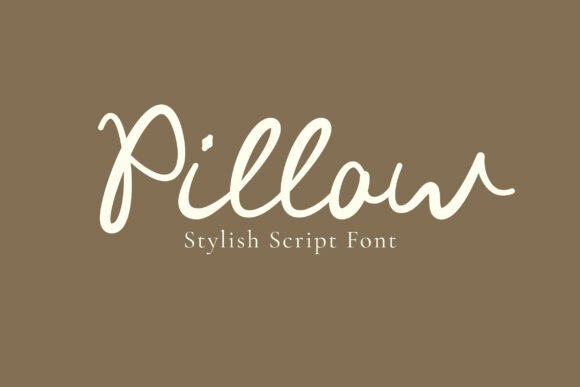
There’s a certain quiet confidence in a design that feels both fresh and familiar. It doesn’t shout for attention but rather draws you in with its balanced form and subtle character. Achieving that effect often comes down to the typography you choose. A font like Pillow, a modern script typeface family, is built to deliver exactly that kind of nuanced presence. It’s not just a set of letters; it’s a design tool crafted to add a layer of sophisticated comfort to your visual work, much like its namesake offers physical comfort.
Finding the Right Tone: More Than Just a Pretty Face
At first glance, Pillow is a fluid, contemporary script. Its smooth, connected strokes give it a handcrafted feel that avoids the sometimes rigid or overly ornate look of traditional calligraphy fonts. This modern fluidity is key to its versatility. But what truly makes it a practical asset for creators is its range. The family includes four distinct weights: Thin, Light, Regular, and Bold. This isn’t just about making text thicker or thinner; it’s about controlling the voice of your design.
Think of it like choosing a voice for your brand. The Thin and Light weights are your whisperers. They excel in situations demanding delicacy and elegance—think the fine print on a luxury product label, a subtle watermark, or the minimalist headline on a wellness blog. They convey refinement without overpowering. The Regular weight is your clear, conversational voice. It’s highly readable for mid-length text in invitations, website subheadings, or social media quotes where you want personality without sacrificing clarity. Finally, the Bold weight steps in when you need to make a statement. Use it for hero text on a landing page, a striking logo wordmark, or the main title on an event poster. It carries the same elegant DNA but with much more visual punch.
Practical Applications: Where Pillow Shines
The true test of any premium font is how it performs in real-world projects. Pillow’s design makes it a strong contender across a wide array of creative and commercial applications.
- Brand Identity & Logo Design: A logo needs to be memorable and reflective of a brand’s ethos. Pillow’s script style can lend an air of approachable sophistication to logos for boutique businesses, creative agencies, cafes, or lifestyle brands. Using the Regular or Bold weight for a primary logo mark, and pairing it with a clean sans serif font for body text, creates a professional and cohesive identity system.
- Packaging & Product Design: On packaging, typography guides the customer’s eye and communicates product quality. The Thin weight can elegantly label ingredients or features on artisanal goods, while the Bold weight can scream a product name on a shelf. It works beautifully on everything from cosmetic boxes to gourmet coffee bags, adding a tactile, human element to the design.
- Invitations & Stationery: This is a natural habitat for a script font. Pillow is ideal for wedding suites, event invitations, and personalized stationery. Its legibility, even in the lighter weights, ensures that crucial details like dates and locations are easily read, while its overall style sets a tone of elegance and intimacy.
- Digital Presence (Websites, Blogs, Social Media): In the digital realm, Pillow can add personality without compromising load times or readability when used strategically. It’s perfect for:
- Website hero sections and key headlines.
- Blog post titles and pull quotes.
- Social media graphics, especially for quotes, announcements, and story templates.
- Email newsletter headers.
- Editorial & Marketing Materials: For magazines, lookbooks, or digital reports, Pillow can be used to create eye-catching feature titles or chapter headings. In marketing, it brings a personal touch to flyers, brochures, and sale announcements, making them feel more crafted and less corporate.
- Merchandise & Print-on-Demand: The font’s style translates well to physical products. Think of stylish quotes on tote bags, elegant monograms on journals, or distinctive branding on custom apparel.
Making It Work: Pairing and Practical Tips
Introducing a script font into your designs requires a thoughtful approach to maintain balance and readability. Here’s how to get the most out of a family like Pillow.
Master the Art of Font Pairing. A script font rarely works well for large blocks of body text. Its strength is in headlines, accents, and logos. The most successful pairings often involve a neutral, highly legible counterpart. A classic serif font like Garamond or a modern sans serif font like Montserrat or Open Sans can provide a perfect anchor. This contrast allows Pillow’s personality to shine in headlines while the supporting font ensures the overall design remains clean and professional.
Prioritize Readability. Always test your chosen weight at the actual size it will be used. The Thin weight might look stunning on a poster mockup but could become illegible on a mobile screen. For digital use, ensure there’s sufficient contrast between the text color and the background. For print, consider the paper stock—a heavily textured paper might not render the delicate strokes of the Light weight well.
Align with Your Project’s Goal. Are you designing for a high-end law firm or a playful children’s brand? Pillow’s modern, fluid style leans towards contemporary, lifestyle, and creative industries. It might not be the best fit for a project requiring a strictly formal or traditional tone. Understanding the emotional connotation of the font is as important as its visual appeal.
Check the Licensing. Before using any commercial font in a client project or for merchandise you sell, verify the license. Most premium font families, including well-crafted ones like Pillow, come with clear licensing terms that cover desktop, web, and sometimes app or embedding uses. Ensuring you have the correct license protects you and your clients legally.
In the end, choosing a typeface is about finding the right voice for your story. The Pillow font family offers a versatile and modern script option that can adapt to a multitude of creative contexts. By understanding its weights, testing its pairings, and applying it with intention, you can leverage its elegant comfort to create designs that feel both professionally polished and genuinely inviting. It’s a valuable addition to any designer’s toolkit, bridging the gap between contemporary style and timeless functionality.