Boboho: The Handwritten Font That Brings Organic Energy to Modern Projects
There's a moment in every creative project where you realize the typeface you've chosen just isn't working. The letters feel too rigid, too perfect, too... computer-generated. You're designing a brand identity for a artisanal coffee roaster, or maybe crafting social media posts for a indie music festival, and everything looks technically correct but emotionally flat. That's where fonts like Boboho enter the conversation—a classic and simple handwritten script created with a random, free-flowing style that manages to feel both intentional and spontaneous.
Understanding the Visual Character of This Script Typeface
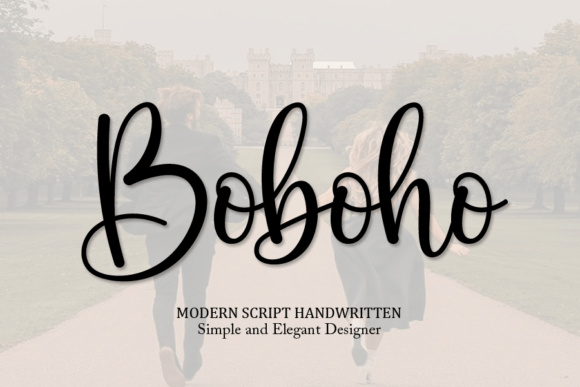
Boboho isn't trying to be a formal calligraphy font or a precise brush script. Its charm lies in its imperfections—the slightly uneven baselines, the natural variation in letterforms, the way certain connections between characters feel effortlessly loose. This handwritten font captures the essence of actual handwriting without looking like someone just scribbled quickly on paper. The strokes have enough consistency to remain legible while maintaining that organic, human quality that makes viewers pause and actually engage with the text.
What makes this particular script font work well across different applications is its balanced personality. It's casual enough to feel approachable but structured enough to maintain readability at various sizes. The character set typically includes alternates and swashes that let designers customize the look, adding flourishes where needed or keeping things cleaner for body-adjacent text. Unlike some overly decorative typefaces that sacrifice function for style, Boboho manages to serve both purposes reasonably well.
Where This Handwritten Script Actually Works in Practice
Let's talk about real applications, because that's what matters when you're evaluating a font for purchase. Branding projects for lifestyle brands, wellness companies, food and beverage products, or creative agencies often benefit from handwritten typography. Boboho works particularly well for logotype design where you want to convey authenticity and personal touch. A small batch bakery, a handmade jewelry line, a boutique photography studio—these are the kinds of businesses where a script font like this reinforces the brand story without feeling forced.
Packaging design presents another strong use case. Think about craft beer labels, artisan chocolate wrappers, or organic skincare products. The handwritten quality suggests small-batch production and human care, which resonates with consumers looking for authentic alternatives to mass-produced goods. When paired with a clean sans serif font for nutritional information or legal text, Boboho can anchor the visual hierarchy while the supporting typeface handles the practical details.
Social media graphics deserve special attention here. Instagram posts, Pinterest pins, YouTube thumbnails, and Facebook covers all benefit from typography that stops the scroll. A script font used for headline text or key phrases creates visual interest against photography or solid backgrounds. For content creators building a personal brand, this kind of typeface helps establish a recognizable visual voice that audiences begin to associate with specific content.
Practical Considerations for Professional Projects
Before committing to any premium font for commercial work, several practical factors deserve consideration. First, examine the full character set. Does Boboho include numbers, punctuation, and special characters you'll actually need? Check for multilingual support if you're working with international clients or audiences. Look at the available styles—does the font family include regular, bold, or italic variations that give you flexibility within a single typeface system?
Font pairing is where many designers struggle with script typefaces. Boboho generally works best when combined with a neutral, geometric sans serif or a classic serif font for contrast. The handwritten quality provides personality and warmth, while the secondary typeface handles longer text blocks and maintains professional readability. Avoid pairing it with other decorative fonts, as competing styles create visual chaos rather than intentional hierarchy.
Readability testing matters more than you might think. Set Boboho at the actual sizes you'll use in your project—whether that's 48-point headlines on posters or 24-point text on packaging mockups. View the results at arm's length and on actual devices if you're designing for screens. Some handwritten fonts lose legibility at smaller sizes or when reversed out of dark backgrounds. Understanding these limitations early prevents costly revisions later.
Building Visual Consistency Across Touchpoints
One of the biggest challenges in brand identity work is maintaining consistency across different media and applications. When you select a typeface like Boboho for a brand system, you're making a commitment to use it consistently across business cards, website headers, email signatures, product packaging, and social media templates. This repetition builds recognition—audiences begin associating the visual style with the brand before they even read the words.
For entrepreneurs and small business owners managing their own design work, creating a simple typography guide helps maintain that consistency. Document which font styles you'll use for headlines versus body text, specify minimum sizes for different applications, and note any color restrictions. This kind of planning might feel tedious, but it prevents the visual drift that makes brands look unprofessional or confused about their identity.
Marketing professionals working with multiple client projects benefit from understanding how different typeface personalities serve different brand voices. A handwritten script like Boboho communicates warmth, creativity, and human connection—appropriate for brands that want to feel personal and approachable. It would feel out of place for a law firm or financial institution but perfect for a creative workshop, a community-focused restaurant, or an independent bookshop.
Licensing and Commercial Use Realities
Every designer and business owner needs to understand font licensing before using any typeface in commercial projects. Premium fonts like Boboho typically come with specific licensing terms that dictate how many users can access the font files, whether you can embed them in digital products, and what commercial applications are permitted. Read these terms carefully before purchasing, especially if you're creating work for clients who will need ongoing access to the font files.
Some licenses cover desktop use only, while others include web font files, app embedding, or server installation. If you're building a brand identity that will be implemented by multiple team members or external vendors, ensure your license covers the necessary distribution. The cost of proper licensing is minimal compared to the legal and financial risks of using fonts without appropriate permissions in commercial work.
Making the Decision for Your Creative Work
Choosing typography ultimately comes down to whether a typeface serves your specific project goals. Boboho offers a particular aesthetic—warm, organic, human, and slightly imperfect in the best possible way. If your project calls for that personality, it's worth exploring. Download any available test files, set sample text in your actual project context, and evaluate how it performs alongside your other design elements.
The best font choices happen when designers and creators match typeface personality to brand voice, audience expectations, and practical application requirements. A handwritten script font won't solve every design challenge, but for projects where authenticity, creativity, and human connection matter, it can be exactly the right tool. Whether you're designing a wedding invitation, building a brand for your new startup, or creating merchandise for your YouTube channel, the typography you choose tells a story before anyone reads a single word. Make sure it's the story you actually want to tell.