Fried Chicken: A Handwritten Font That Feels Like Home
There’s a certain warmth to things made by hand. You see it in the slightly uneven edges of a hand-thrown ceramic mug, the texture of a hand-knitted scarf, or the charming imperfection of a handwritten note. In the digital world, where crisp vectors and perfect geometry are the norm, that human touch can feel like a rare and valuable commodity. This is precisely the space that the Fried Chicken font occupies. It’s not just a typeface; it’s a feeling captured in letterforms, a sweet and carefully crafted script that brings authenticity and personality to any project it graces.
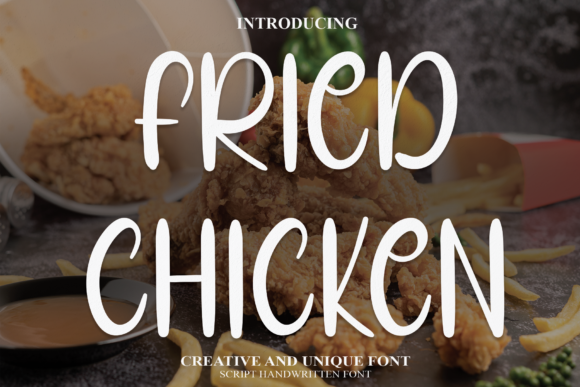
At its core, Fried Chicken is a premium handwritten font. But that simple label doesn’t do it justice. Its strokes flow with a natural, organic rhythm, mimicking the gentle pressure and release of a brush or marker pen. The letters connect with a fluid, almost effortless elegance, creating words that feel personal and inviting. It avoids the overly stylized or "gimmicky" look that some script fonts fall into. Instead, it strikes a beautiful balance—it’s distinctly modern yet timeless, casual yet sophisticated. This versatility is what makes it such a powerful tool for designers, entrepreneurs, and creators.
Where Character Meets Commerce
The true test of a creative font is how it performs in the real world, on projects that need to connect with an audience and achieve a specific goal. This is where Fried Chicken shines. Its friendly, approachable demeanor makes it an ideal choice for building a brand identity that feels human and relatable.
Imagine a local bakery’s logo, where the font spells out the name with the same care a baker puts into kneading dough. Picture it on the packaging for artisanal coffee, a handmade soap label, or the menu of a cozy brunch spot. It instantly communicates a story of craftsmanship and personal attention. For logo design, it offers a distinct mark that is both memorable and emotionally resonant, helping a small business stand out in a crowded market.
Beyond logos, its applications in packaging design are extensive. It can add a premium, handcrafted feel to product labels, hang tags, and shopping bags. In the digital realm, it’s a game-changer for social media graphics. A quote card on Instagram, a promotional story for a sale, or a YouTube thumbnail gains an immediate personality boost. The font feels native to these platforms, helping content feel more authentic and engaging, which can significantly improve audience interaction.
From Wedding Invites to Website Headers
The utility of a well-designed display font like Fried Chicken extends far beyond commercial branding. Its sweet, handwritten style is perfect for personal projects and events that call for a touch of elegance and intimacy.
For stationery, it’s a natural fit. Wedding invitations, save-the-dates, and thank-you cards benefit from its romantic and personal feel. Party invitations for birthdays, baby showers, or milestone celebrations become keepsakes. It’s also a fantastic choice for editorial design, adding visual interest to magazine headlines, book chapter titles, or as pull quotes in a blog post. When used thoughtfully, it can break up the monotony of body text and guide the reader’s eye.
In web design, Fried Chicken can be used strategically to highlight key elements. A compelling headline, a call-to-action button, or a featured quote can be set in this font to draw attention and add warmth to an otherwise clean, sans-serif layout. The key, as with any script font, is to use it for short bursts of text where its character can be appreciated without sacrificing readability for longer paragraphs.
Practical Tips for Pairing and Presentation
Integrating a strong personality font like Fried Chicken into a project requires a bit of thoughtful strategy to ensure it enhances, rather than overwhelms, the design. Here’s some practical advice for getting the most out of it.
- Font Pairing is Everything: Fried Chicken is a star player, but it needs a supporting cast. Pair it with a clean, neutral sans serif font like Montserrat, Lato, or Open Sans for body text. This contrast allows the handwritten font to stand out for headlines while ensuring the main content remains perfectly readable. For a more traditional or elegant feel, it can also pair beautifully with a classic serif font like Garamond or Playfair Display.
- Readability Considerations: Because it’s a script font, legibility at very small sizes can be a concern. Test it at the intended size before finalizing a design. It’s generally best suited for larger applications like logos, headings, and quotes rather than fine print or lengthy descriptions. Always ensure there is sufficient contrast between the text color and the background.
- Explore the Font Styles: Check what’s included in the font package. Many premium fonts offer multiple weights or stylistic alternates. Fried Chicken might include different versions of certain letters or ligatures that can add even more custom flair to your typographic compositions. Experiment with these to create a truly unique look.
- Licensing for Commercial Use: If you’re using the font for a business venture—on products, in marketing materials, or for client work—always verify the licensing terms. Ensure the license covers your intended use, whether it’s for a single project or for creating and selling digital or physical products. This is a crucial step in professional modern typography practice.
Choosing the Right Voice for Your Visual Story
Ultimately, selecting a typeface is about choosing a voice for your visual communication. The Fried Chicken font speaks in a tone that is warm, approachable, creative, and genuine. It’s a voice that says, "This was made with care." It’s less about shouting and more about inviting someone in for a conversation.
Whether you’re a small business owner crafting your first brand identity, a designer looking for a distinctive design asset, or a content creator wanting to add a personal touch to your digital presence, this handwritten font offers a valuable solution. It bridges the gap between the digital and the handmade, providing a tool to create designs that don’t just look good, but also feel right. In a world of automated perfection, that human touch might just be the most powerful design choice you make.