Cactus Flower: A Font That Feels Like a Handwritten Note
There's something undeniably charming about a font that looks like it was written by hand. It carries a human touch, a sense of warmth and personality that perfectly polished digital typefaces often lack. Cactus Flower is one such design—a sweet and friendly handwritten display font that manages to be both cute and fun without sacrificing clarity or versatility. It's the kind of typeface that can make a wedding invitation feel more personal, a social media post more engaging, or a child's birthday banner more delightful. But its appeal extends far beyond casual crafts; with thoughtful application, it can become a valuable tool for entrepreneurs, designers, and creators looking to inject approachability and joy into their visual communication.
The Visual Personality of a Handwritten Typeface
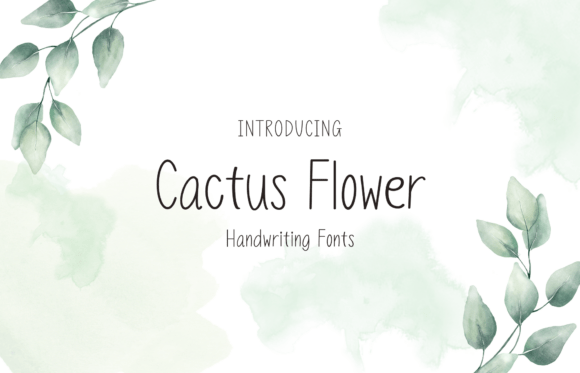
At its core, Cactus Flower is a display font. This means it's designed to be used for headlines, logos, and short bursts of text where personality is paramount, not for long paragraphs in a book. Its visual character is defined by its handwritten style—each letter appears as if sketched with a smooth, flowing pen, featuring gentle curves, slight imperfections, and a consistent baseline that keeps it readable. The "sweet and friendly" description is spot-on; it avoids the overly casual or messy look some script fonts have, striking a balance that feels genuine and inviting. This modern typography choice communicates creativity, warmth, and a down-to-earth vibe, making it an excellent creative font for projects that need to feel approachable and human.
From Wedding Invitations to Brand Identities: Where Cactus Flower Shines
The true test of a font is how it performs in real-world scenarios. Cactus Flower's versatility is one of its strongest assets. For event planners and individuals, it's a natural fit for invitations, greeting cards, and party decor, instantly setting a joyful tone. In the commercial realm, its applications are surprisingly broad.
Consider its role in brand identity. A small bakery, a boutique florist, or a children's clothing line could use this handwritten font in their logo to convey a sense of artisanal care, whimsy, or playful innocence. Paired with a clean sans serif font for body text, it creates a dynamic and memorable visual hierarchy. For packaging design, it can highlight product names or special features on labels, making items stand out on a shelf with a friendly, approachable feel.
Digital spaces are where this font truly excels. Social media graphics thrive on personality, and using Cactus Flower for Instagram stories, Pinterest pins, or Facebook ad headlines can significantly boost engagement by stopping the scroll with its unique charm. It's equally effective for web design, particularly for blog headers, call-to-action buttons, or website banners for creative businesses, adding a layer of visual interest that complements standard web fonts. Content creators and marketers will find it invaluable for crafting marketing assets like email newsletter headers or promotional posters that need to feel fresh and energetic.
Practical Advice for Using Display Fonts Effectively
While a font like Cactus Flower is a fantastic design asset, using it effectively requires a bit of strategy. Here are some practical tips for integrating it into your projects:
- Pair with Purpose: A handwritten display font works best when contrasted with a more neutral typeface. Try pairing Cactus Flower with a simple, geometric sans serif font for body copy or a classic serif font for a touch of elegance. This ensures readability while allowing the display font to capture attention.
- Context is Key: Always consider your project's goal and audience. This font is perfect for a love-themed poster, a game's title screen, or a teacher's classroom bulletin board. It might be less suitable for a formal law firm's annual report. Matching the font's personality to your message is crucial for effective visual communication.
- Test for Readability: Even the most beautiful font fails if people can't read it. Before finalizing a design, test Cactus Flower at the size it will be used. Ensure key letters are distinguishable and that it remains legible against its background, especially for logo design or merchandise where it may be viewed from a distance.
- Review All Included Styles: Many premium fonts come with multiple styles, such as regular, bold, or italic. Check what Cactus Flower offers. An italic version might add a different nuance, while a bolder weight could make headlines pop even more, giving you more flexibility in your editorial design or digital products.
- Understand Licensing: If you're using the font for commercial projects—like client work, merchandise for sale, or a monetized blog—always verify the licensing terms. Ensure the license covers your intended use to avoid any legal complications down the line.
Building a Cohesive Visual Language
Ultimately, typography is a cornerstone of visual consistency. By thoughtfully selecting and repeatedly using a font like Cactus Flower across your touchpoints—your website, social media, packaging, and print materials—you begin to build a recognizable brand identity. This consistency fosters trust and makes your brand more memorable to your audience. It’s not about using the font everywhere indiscriminately, but about strategically deploying it where its unique personality can reinforce your brand's story and values, whether that's creativity, joy, friendliness, or craftsmanship.
Cactus Flower is more than just a cute typeface; it's a versatile tool for adding a human, engaging voice to your designs. Its strength lies in its ability to bridge the gap between professional polish and personal touch, making it a worthy addition to any designer's toolkit or small business's branding kit. When used with intention, it can transform a simple project into something that truly connects.