Reguler Handmade: A Font with Authentic Character
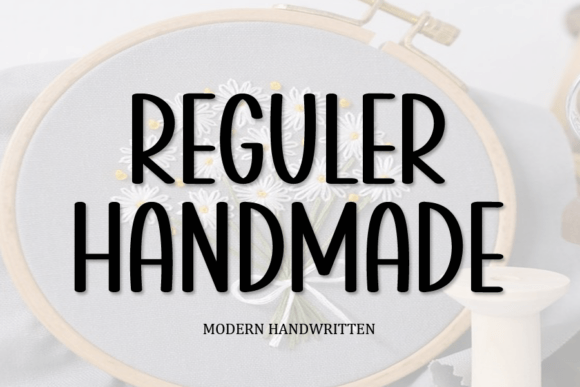
There’s a certain warmth in something that doesn’t look machine-perfect. It feels personal, crafted, and real. That’s the immediate impression you get from a typeface like Reguler Handmade. This isn’t a sterile, geometric sans serif or a rigid serif font with perfect serifs. It’s a classic and simple handwritten script, created with the natural, slightly irregular strokes of a freehand style. It captures the essence of human touch, which is a powerful tool in a world saturated with digital perfection.
For designers, entrepreneurs, and creators, the choice of typography is a foundational decision. It’s not just about legibility; it’s about voice. A font communicates personality, sets a mood, and builds an immediate connection with the viewer. Reguler Handmade offers a specific voice: approachable, creative, and genuine. It’s the typographic equivalent of a handwritten note in a stack of printed mail—it stands out because it feels personal.
The Visual Appeal of a Handwritten Script
What makes a font like Reguler Handmade visually compelling? Its strength lies in its controlled imperfections. The letterforms have subtle variations in baseline, weight, and angle that mimic the organic flow of ink on paper. This creates a dynamic texture that static, geometric fonts often lack. It’s a premium font that doesn’t scream for attention but rather invites a closer look. The style is neither overly ornate nor childish, striking a balance that makes it versatile for adult-focused projects where a friendly yet sophisticated tone is needed.
Think about the difference between a typed "Thank You" and one written by hand. The handwritten version carries more emotional weight. In design terms, this translates to stronger audience engagement. Using a handwritten font for key elements like a brand name on packaging, a headline on a poster, or a call-to-action on a website can humanize the message. It breaks down the barrier between the brand and the consumer, suggesting there are real people behind the product or service.
From Brand Identity to Social Media Graphics
The practical applications for a creative font like this are extensive. Its personality makes it a strong candidate for projects where you want to convey authenticity, craftsmanship, or a relaxed, artistic vibe.
- Logo Design & Brand Identity: For a small business, bakery, artisan studio, boutique clothing line, or freelance service, Reguler Handmade can form the core of a logo. It immediately tells customers the brand values a personal touch. It works beautifully as the primary wordmark or as a complementary script font paired with a clean sans serif for supporting text.
- Packaging & Merchandise: On product labels, shopping bags, or merchandise like T-shirts and mugs, this font style elevates the perceived value. It suggests the item is part of a curated collection rather than a mass-produced commodity. Think of a coffee brand using it for its signature blend name or a candle maker for its scent descriptions.
- Digital Presence: In the fast-paced scroll of social media, a handwritten headline stops the thumb. Use it for Instagram post titles, YouTube video thumbnails, or Facebook ad graphics. On a website, it’s perfect for hero section headlines, special announcement banners, or the header of an email newsletter to add a personal greeting.
- Print & Editorial Design: This typeface shines in editorial layouts for magazine pull quotes, chapter titles in a book, or stylized text in a comic or cartoon. It’s also an excellent choice for event invitations, greeting cards, and posters for music festivals, gallery openings, or community workshops where a creative, handcrafted feel is essential.
Pairing for Professionalism and Readability
While a display font like Reguler Handmade is full of character, using it for long paragraphs of body text would harm readability. The very irregularities that give it charm can cause eye strain over large blocks of text. This is where the principle of font pairing becomes crucial. A successful design often combines a expressive font with a more neutral one.
A common and effective strategy is to pair this script font with a sturdy sans serif font. For example, use Reguler Handmade for the main headline or brand name, and pair it with a font like Open Sans, Lato, or Montserrat for subheadings and body copy. The contrast creates a clear visual hierarchy: the handwritten element draws the eye and establishes personality, while the sans serif ensures the detailed information remains clean and easy to read. You could also pair it with a classic serif font like Georgia or Playfair Display for a more traditional, editorial look with a touch of warmth.
Practical Advice for Implementation
Before integrating any new design asset into your workflow, a few practical steps can save time and ensure the best results.
- Test in Context: Don’t just look at the font in a specimen sheet. Type out your actual project text—the company name, a sample headline, a tagline. See how the letterforms interact with each other in your specific words.
- Review the Included Styles: A quality font package often includes more than the base style. Check for alternate characters, ligatures (special connected letter pairs), and different weights or styles (like a bold or italic version). These extras can provide valuable flexibility and help you avoid repetitive looks across different projects.
- Consider the Commercial License: If your project is for a client, for sale, or for a business with significant reach, ensure the font’s license covers commercial use. This is a critical step often overlooked by those new to purchasing fonts. Using a font outside its license terms can lead to legal issues down the line.
- Assess Readability at Scale: View the font at the size it will be used. A script that looks elegant large might become illegible when used very small, such as for a website footer or detailed product information. Test it on both a desktop screen and a mobile device.
Choosing the right typeface is about matching the tool to the task. Reguler Handmade isn’t the solution for every project—a law firm’s annual report likely needs a different voice. But for projects where connection, creativity, and authenticity are key, it’s a powerful asset. It helps build brand recognition through a consistent, human-centered visual language. In a landscape of polished digital interfaces, a touch of the handmade can be the very thing that makes your design, and your brand, memorable.